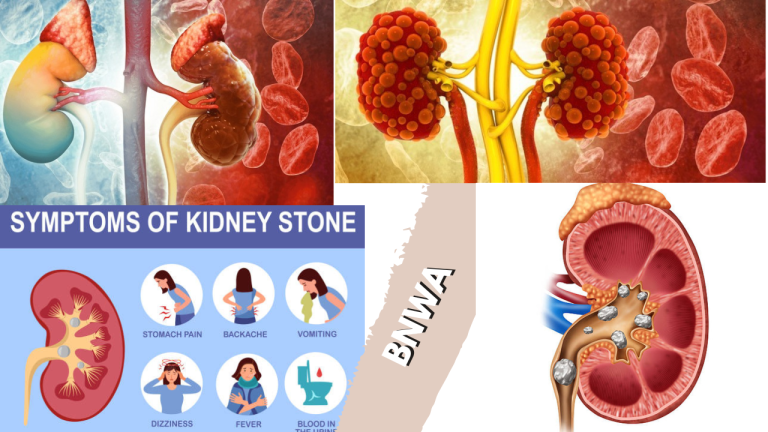
A kidney-friendly diet is essential for patients with kidney disease as it helps manage symptoms, slows the progression of kidney damage, and improves overall quality of life. Since kidneys are responsible for filtering waste and balancing electrolytes, a tailored diet minimizes the workload on the kidneys, prevents complications, and promotes better health. Key elements of a kidney diet include:





Reducing sodium intake helps control blood pressure and reduces fluid retention, which can lessen kidney strain and help prevent swelling, a common symptom in kidney disease.
While protein is necessary for health, too much can lead to excess waste, which damaged kidneys have difficulty filtering. A moderate amount of high-quality protein supports body function without overloading the kidneys.
In kidney disease, excess potassium can accumulate, leading to dangerous heart complications. Managing potassium intake helps keep levels stable, with lower-potassium choices often recommended.
High phosphorus levels are linked to weakened bones and calcification in tissues. A low-phosphorus diet protects bone health and reduces the risk of cardiovascular problems.
For advanced kidney disease, fluid restrictions are sometimes necessary to avoid fluid overload, which can lead to swelling, high blood pressure, and additional strain on the heart and kidneys.
Many with kidney disease require higher caloric intake to prevent muscle loss and maintain energy. Carbohydrates and healthy fats can provide extra calories without increasing the burden on the kidneys.
Due to dietary restrictions, patients with kidney disease may lack certain nutrients. That’s why special Diet is essential for kidney patient to full fill the nutrients.
A kidney-friendly diet tailored by a dietitian or healthcare provider helps stabilize lab values, manage symptoms, and prevent disease complications. It’s a vital part of treatment that improves a patient’s ability to maintain kidney function and live a healthier life.

Diet is essential in managing liver disease as it supports liver function, reduces inflammation, and prevents further damage. The liver processes nutrients, filters toxins, and helps in digestion, so dietary choices are critical for maintaining its health. For individuals with liver disease, such as hepatitis, fatty liver disease, or cirrhosis, a balanced diet can help protect the liver from additional strain and enhance recovery. Key dietary principles include:
Protein supports liver regeneration and repair. However, in advanced liver disease, excess protein may lead to a buildup of ammonia, causing hepatic encephalopathy. In such cases, lean sources of protein and controlled amounts are advised, with the guidance of a healthcare professional.
Limiting unhealthy saturated fats and trans fats is essential, especially in fatty liver disease, as they can worsen inflammation. Instead, sources of healthy fats, such as olive oil, nuts, and fatty fish, are encouraged to help reduce liver fat.
Carbohydrates, particularly complex ones like whole grains, provide energy and are often well-tolerated by the liver. They help prevent muscle breakdown and are essential for maintaining blood sugar balance in liver disease.
People with liver disease often have deficiencies in vitamins (such as A, D, E, and K) and minerals due to impaired absorption. Eating a variety of nutrient-dense foods, including fruits and vegetables, can help; however, supplements may be needed in specific cases, based on professional advice.
Foods rich in antioxidants, like berries, leafy greens, and cruciferous vegetables, help combat oxidative stress in liver cells, potentially slowing liver damage.
Staying hydrated supports digestion and overall liver function, but fluid intake should be balanced based on individual needs, especially in advanced liver disease where fluid retention may be an issue.
Following a liver-friendly diet supports detoxification, helps manage symptoms, slows disease progression, and improves quality of life for individuals with liver disease.
A healthy, balanced diet is key for anyone with diabetes .Diet plays a crucial role in diabetes management, impacting blood glucose levels, insulin response, and reducing the risk of diabetes-related complications such as cardiovascular disease, kidney issues, and nerve damage. In Diabetes management 3 D is the pillar .In this 3 D diet is one of them without diet no one can control diabetes . A balanced, controlled diet helps maintain steady blood sugar levels, supports weight management, and improves quality of life.
Here’s why dietary management is critical for diabetic patients:
– Hyperglycemia Prevention : By moderating carbohydrate intake, a diabetes diet helps prevent postprandial (after-meal) spikes in blood glucose, which are key to preventing hyperglycemia-related damage to blood vessels, nerves, and organs.
– Hypoglycemia Risk Reduction : Balanced meals with controlled carbohydrate distribution help avoid sudden drops in blood sugar, especially for patients on insulin or oral hypoglycemics (e.g., sulfonylureas).
– Insulin Resistance Management : A diet rich in whole grains, fiber, and healthy fats helps reduce insulin resistance, a hallmark of Type 2 diabetes, by lowering chronic inflammation and enhancing cellular insulin response.
– Cardiovascular Health : Diabetes significantly increases the risk of cardiovascular disease. A diabetes-friendly diet low in saturated fats, sodium, and cholesterol can help maintain healthy lipid levels and blood pressure, protecting against heart disease, stroke, and hypertension.
– Nephropathy Prevention : Kidney disease, or diabetic nephropathy, is common in diabetes. Lower protein intake, balanced with other macronutrients, reduces the renal workload and helps prevent kidney damage.
– Obesity and Insulin Resistance : A healthy diet aids in weight management, essential for reducing insulin resistance and mitigating the need for higher doses of insulin or medications, especially in Type 2 diabetes patients.
– **Dietary Impact on Medication Dosage**: Consistent blood glucose control through diet can lead to reduced dependency on antidiabetic medications, minimizing side effects and costs associated with drug therapies.
– Delayed Onset of Diabetes Complications : Strict dietary adherence delays the progression of microvascular complications (retinopathy, neuropathy, nephropathy) and macrovascular complications (coronary artery disease, peripheral artery disease), enhancing long-term quality of life.
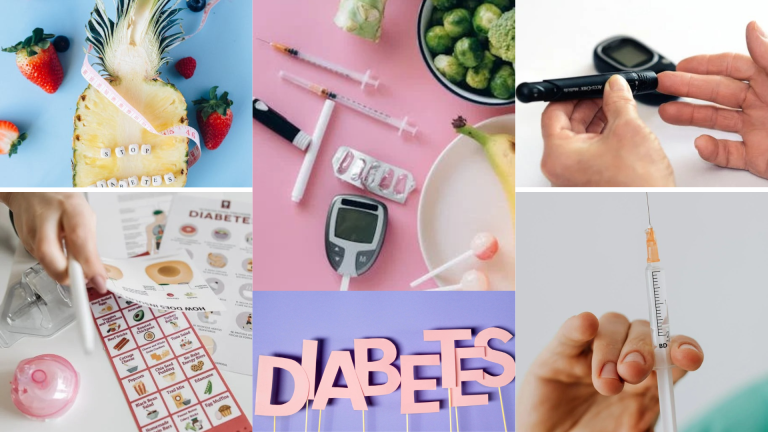
In essence, a tailored diabetes diet is critical for controlling disease progression, reducing health risks, and supporting effective management of diabetes through medically informed nutritional strategies.
A carefully managed diet is crucial for gestational diabetes (GDM) as it helps maintain stable blood glucose levels, supports healthy fetal development, and reduces risks for both mother and baby. During pregnancy, the body’s insulin needs increase, and some women may experience insulin resistance, leading to GDM. Here’s why diet is essential in managing gestational diabetes:
– Preventing Hyperglycemia : Diet is the primary method for controlling blood sugar levels in GDM, as high blood sugar can lead to complications such as macrosomia (large birth weight), which increases delivery risks for both mother and child.
– Lowering Hypoglycemia Risks : Balanced meals with a controlled amount of carbohydrates help avoid blood sugar dips, particularly important for mothers who may need insulin therapy.
– Reducing Fetal Risks : Stable maternal glucose levels help prevent excessive fetal insulin production, reducing the baby’s risk of low blood sugar after birth and fetal excessive weight the likelihood of developing obesity and type 2 diabetes later in life.
– Optimal Nutrient Intake : A balanced diet provides essential nutrients (such as folic acid, iron, and calcium) needed for the baby’s growth and development while helping the mother avoid excessive weight gain, which can complicate pregnancy.
– Healthy Pregnancy Weight Gain : A well-regulated diet helps manage pregnancy-related weight gain, lowering the risk of complications such as preeclampsia and cesarean delivery, which are more common in women with gestational diabetes.
– Reducing Long-term Diabetes Risk : A gestational diabetes diet can help lower the mother’s risk of developing type 2 diabetes post-pregnancy and reduce the risk of future metabolic issues for the child.
– Potential Reduction in Medication Need : For many with GDM, dietary management alone can help control blood sugar, reducing or eliminating the need for insulin or other medications during pregnancy.
In summary, a specialized diet for gestational diabetes is essential to maintain blood glucose levels, support healthy fetal development, manage pregnancy weight gain, and reduce health risks, making it a cornerstone of effective GDM management.
Diet is critical in managing dyslipidemia, as it directly affects lipid levels, including cholesterol and triglycerides, which impact cardiovascular health. Dyslipidemia—characterized by elevated LDL cholesterol, triglycerides, or low HDL cholesterol—increases the risk of atherosclerosis, heart disease, and stroke. A well-planned diet can help balance lipid levels, improve cardiovascular outcomes, and often reduce the need for medication. Here’s why diet is essential for managing dyslipidemia:
For many, dietary modifications can help reach target lipid levels, potentially reducing the need for lipid-lowering medications, which can have side effects.
In summary, a heart-healthy diet can significantly improve lipid profiles, reduce cardiovascular risks, and support long-term health.
Diet is highly important in managing thyroid dysfunction, as it helps support thyroid hormone balance, alleviates symptoms, and can reduce the risk of complications associated with thyroid disorders. Thyroid dysfunction—whether hypothyroidism (underactive thyroid) or hyperthyroidism (overactive thyroid)—affects metabolism, energy levels, and overall health. A carefully managed diet can aid in symptom management and overall thyroid health in the following ways:
– Hypothyroidism :
Write a short description, that will describe the title or something informational and useful……………………………………………………………………….
– Reducing Inflammation in Autoimmune Thyroid Disease : Many thyroid disorders are autoimmune (e.g., Hashimoto’s thyroiditis). An anti-inflammatory diet rich in antioxidants (fruits, vegetables, nuts, and whole grains) can help reduce inflammation, potentially lowering the severity of symptoms and supporting immune health.
– Metabolic Support : Thyroid hormones regulate metabolism, and adequate protein intake helps support metabolic rate and muscle mass, especially in hypothyroidism. Lean proteins, such as chicken, fish, tofu, and legumes, help maintain energy and support weight management.
– Raw Cruciferous Vegetables : Foods like broccoli, cauliflower, and kale contain compounds known as goitrogens, which can interfere with thyroid hormone production in large amounts, particularly in those with iodine deficiency. Cookingthese vegetables deactivates goitrogens, making them safer for consumption in moderate amounts.
Hypothyroidism often slows digestion, leading to constipation. High-fiber foods, like whole grains, fruits, and vegetables, support gut health and help alleviate digestive issues.
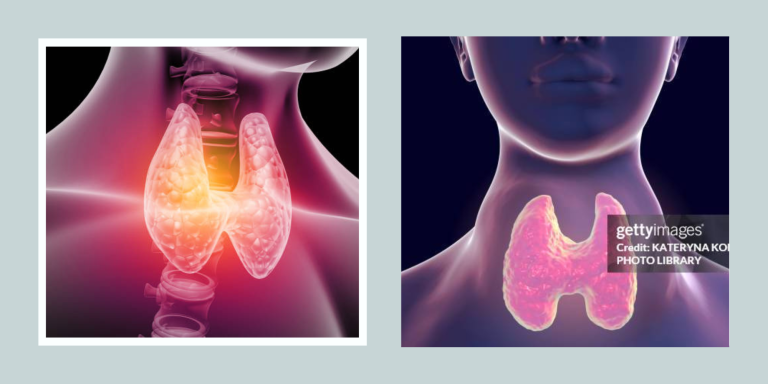
In summary, a balanced diet rich in essential nutrients such as iodine, selenium, vitamin D, and antioxidants is crucial for supporting thyroid function, managing symptoms, and reducing the risk of complications. A well-structured diet tailored to the type of thyroid disorder can significantly enhance overall thyroid health and well-being.
Diet plays a vital role in managing high blood pressure (hypertension), as it can significantly impact cardiovascular health, improve blood pressure levels, and reduce the risk of heart disease and str a heart-healthy diet is essential for managing high blood pressure. By focusing on whole foods, reducing sodium, increasing potassium, and maintaining a balanced intake of nutrients, individuals can significantly improve their blood pressure levels and overall cardiovascular health. The DASH diet is a well-researched dietary approach specifically designed to help manage hypertension effectively.
So Diet is very very important for stop and controlling hypertension .
The exact cause of Polycystic Ovary Syndrome (PCOS) is not fully understood, but several factors are believed to contribute to its development. Here are the main reasons thought to be linked to PCOS:
– Insulin resistance, common in PCOS, means that the body’s cells don’t respond well to insulin, leading to higher insulin levels in the blood.
Impact on Androgens : Elevated insulin can stimulate the ovaries to produce more androgens, worsening symptoms of PCOS and contributing to weight gain and metabolic issues.
Nutrition is crucial in managing Polycystic Ovary Syndrome (PCOS) because it directly affects the key metabolic, hormonal, and inflammatory factors that drive the condition. Here’s why nutrition is important for PCOS:
Diet plays a vital role in managing high blood pressure (hypertension), as it can significantly impact cardiovascular health, improve blood pressure levels, and reduce the risk of heart disease and str a heart-healthy diet is essential for managing high blood pressure. By focusing on whole foods, reducing sodium, increasing potassium, and maintaining a balanced intake of nutrients, individuals can significantly improve their blood pressure levels and overall cardiovascular health. The DASH diet is a well-researched dietary approach specifically designed to help manage hypertension effectively.
Nutrition is essential for managing PCOS as it helps regulate blood sugar, balance hormones, reduce inflammation, manage weight, and support both physical and mental well-being. A tailored, nutrient-dense diet can significantly improve quality of life and reduce the severity of PCOS symptoms.
Several key nutrients are vital for enhancing fertility in both men and women, as they impact hormone balance, egg and sperm quality, and overall reproductive health.
Nutrient Has a crucial role in improving fertility for both men and women by supporting reproductive health, hormone regulation, and overall physical wellness. Here’s how targeted nutrition can address infertility from a medical perspective:
Women: Balanced levels of estrogen, progesterone, and luteinizing hormone (LH) are crucial for ovulation and a healthy menstrual cycle. Nutrients like B vitamins, zinc, magnesium, and omega-3 fatty acids found in whole grains, leafy greens, nuts, and fish support hormone production and stability.
Men: Testosterone levels and sperm production are influenced by a balanced intake of antioxidants, zinc, and vitamin D. Zinc, found in foods like nuts and lean meats, is essential for testosterone production and sperm motility.
Antioxidants: Antioxidants such as vitamins C and E, selenium, and coenzyme Q10 help reduce oxidative stress, which can damage sperm and egg cells, leading to poor quality or reduced viability. Fruits, vegetables, nuts, and seeds are high in antioxidants, which can enhance egg and sperm quality.
Omega-3 Fatty Acids: Found in fatty fish, chia seeds, and flaxseeds, omega-3s improve blood flow to reproductive organs and reduce inflammation, which is essential for both egg health and sperm quality.
Low Glycemic Index (GI) Foods: For women, especially those with Polycystic Ovary Syndrome (PCOS), low-GI foods like whole grains, legumes, and vegetables help regulate blood sugar and insulin levels. Stable insulin levels are linked to regular ovulation and hormone balance, improving the chances of conception.
Healthy Fats: Including sources of unsaturated fats (like avocados, olive oil, and nuts) in the diet can support estrogen production, helping maintain a healthy menstrual cycle and promoting ovulation.
L-Carnitine: This amino acid, found in red meat and dairy, is essential for sperm development and motility. Studies show that higher levels of L-carnitine improve sperm concentration, movement, and overall sperm health.
Vitamin D: Adequate vitamin D levels are associated with improved sperm motility and testosterone production in men. For both men and women, vitamin D aids reproductive health, and foods like eggs, fortified dairy, and fatty fish are good sources.
Anti-Inflammatory Diet: Chronic inflammation is linked to hormonal imbalances and reduced reproductive function. An anti-inflammatory diet rich in fruits, vegetables, whole grains, nuts, seeds, and fatty fish reduces inflammation and can improve ovulation, egg quality, and sperm parameters.
Reducing Processed Foods and Sugars: Processed foods, trans fats, and high-sugar diets increase inflammation and oxidative stress, which can negatively impact fertility. Choosing whole foods over processed ones supports better reproductive health.
Importance of Weight: Both obesity and being underweight are linked to reduced fertility in men and women. For women, excess weight can cause irregular cycles and hormonal imbalances; for men, it can reduce testosterone and sperm quality. A balanced diet helps achieve and maintain a healthy weight, enhancing fertility.
Fiber-Rich Foods: High-fiber foods (like vegetables, fruits, and whole grains) support digestion, help with weight management, and improve insulin sensitivity, which is beneficial for reproductive health.
Nutrients for Stress Reduction: Fertility challenges can be stressful, and high-stress levels may interfere with hormone production and fertility. Foods rich in B vitamins, magnesium, and omega-3s (such as nuts, seeds, and leafy greens) help support the body’s stress response and promote mental well-being, indirectly supporting reproductive health.
A nutrient-dense diet that includes antioxidants, healthy fats, lean proteins, and complex carbohydrates is essential for enhancing fertility. By supporting hormone balance, reducing inflammation, and improving egg and sperm health, targeted nutrition can address various underlying causes of infertility, offering a holistic approach to reproductive health.
© Copyright 2024 BNWA
Designed by Ashraf Rahman(Promodigita)